Jump to:
Insulation alone won’t completely solve metal shed condensation. Stop moisture from seeping into the interior and exterior and bid farewell to it once and for all. This guide will walk you through the process and answer some FAQs along the way.
What Causes Interior Metal Shed Condensation?
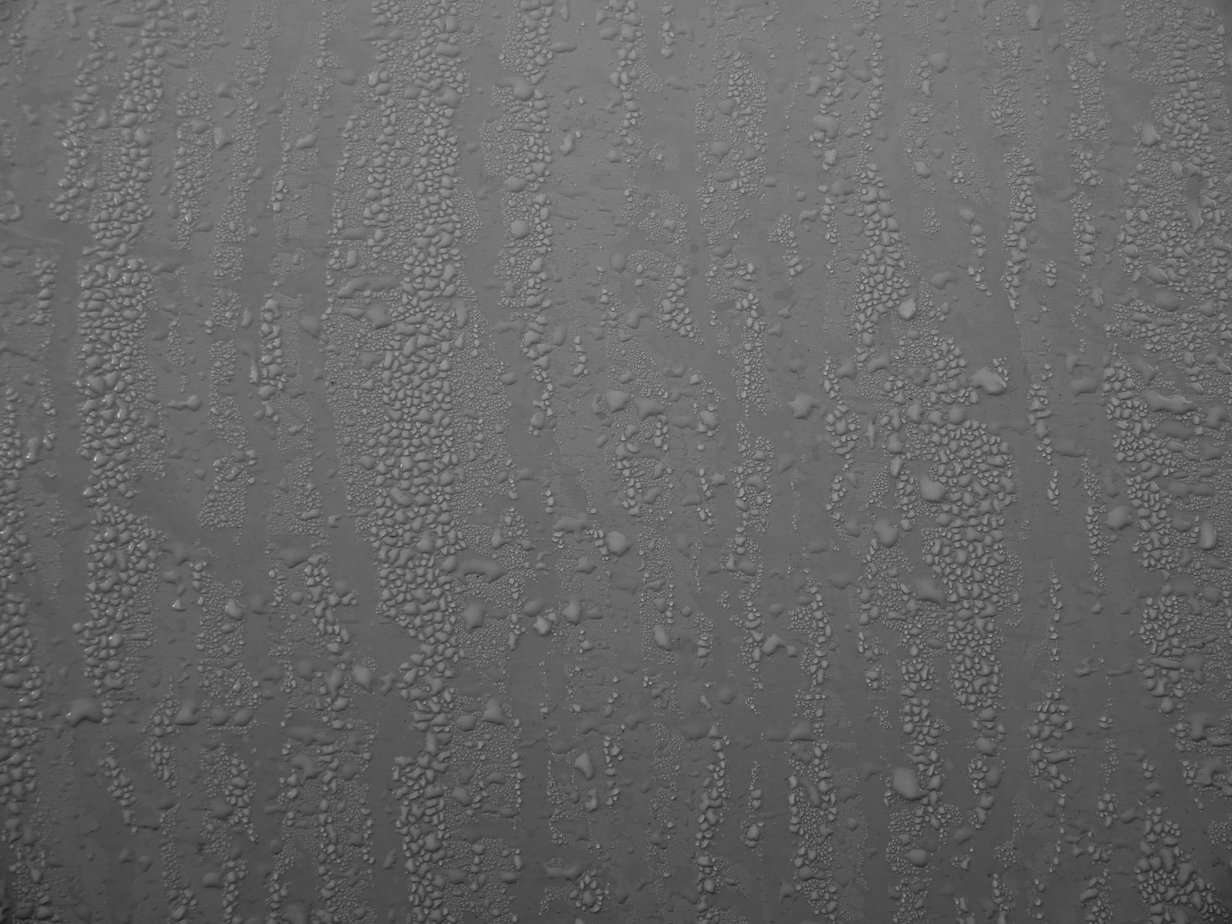
(Image Credit: Public Domain Pictures)
Condensation occurs when warm, moist air meets cooler metal surfaces inside the shed. The moisture condenses into water droplets usually forming along the walls and ceiling.
If overlooked, this can lead to rust, corrosion, and mould growth. Excessive moisture may also contribute to health problems for those using the structure.
How to stop it?
There are several practical steps you can take to stop interior condensation and keep it dry. Consider following these simple yet effective strategies:
- Improve ventilation: Maintain airflow within the shed with vents or windows. Vents installed on opposite sides can circulate air and minimise moisture. You can also simply open the windows to facilitate air exchange.
Skip the DIY vents with our range of ventilated metal sheds. You get built-in ventilation for airflow and condensation control, with a storage building that’s ready to use after setup.
- Use a dehumidifier: This approach can effectively remove excess moisture from the air. Invest in one with appropriate capacity for the size of your shed. Consider using a hygrometer to monitor humidity levels.
- Shed insulation: Insulating the shed helps regulate temperature and prevent moisture from condensing. Use foam boards, fibreglass, or spray foam to cover walls, ceiling, and floor. Seal any gaps or joints in the insulation to minimise air leakage. Pay special attention to prone areas where framing or roofing meets the insulation.
Not sure which works best? Read our guide to metal shed insulation and compare each option to see which suits your metal garden storage.
Metal Shed Insulation – What Type of Insulation Is Best?
- Seal gaps and cracks: Check doors, windows, and vents for gaps that may allow air infiltration. Use caulking or weatherstripping to seal gaps and foam sealant to seal larger gaps or cracks.
If you notice condensation forming during the summer months, focus on improving ventilation. Using a dehumidifier might also be particularly effective. Prioritise insulation and sealing gaps during colder seasons.
What Causes Exterior Metal Shed Condensation?
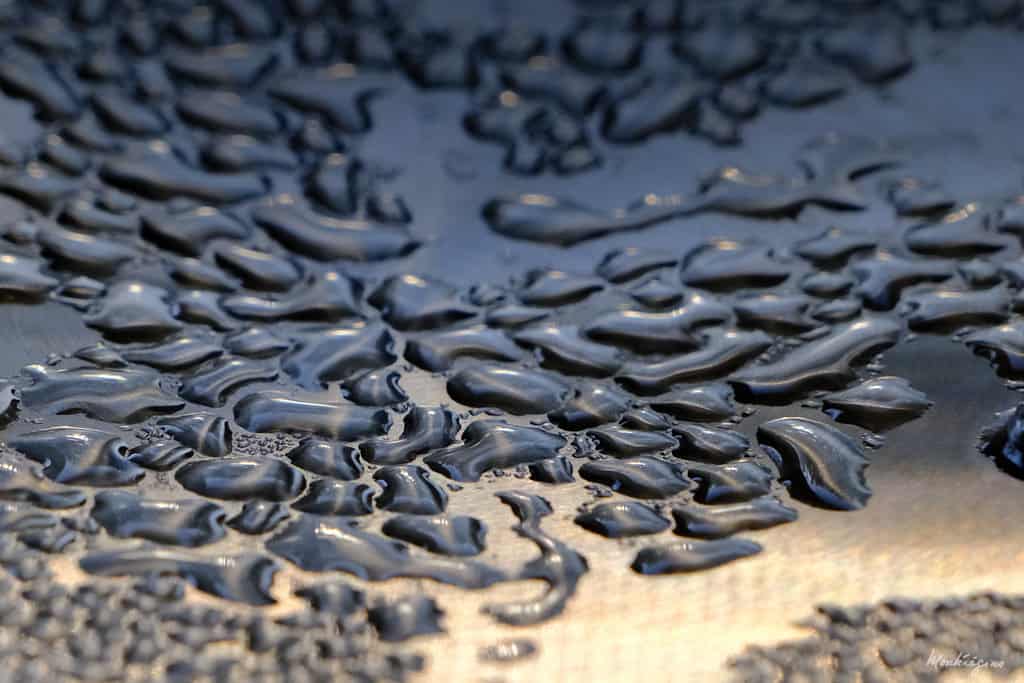
It occurs when metal surfaces get colder than the air’s dew point temperature. This causes moisture in the air to condense onto the shed’s exterior. Addressing metal shed condensation helps prevent damage and preserves the building’s integrity. Most importantly, it protects items stored inside from moisture-related issues.
While keeping moisture out is important, storm safety is often just as important when choosing a shed. Our safety guide explains how metal sheds respond to lightning during storms.
Are Metal Sheds Safe from Lightning?
How to stop it?
Take these practical steps to prevent issues not only from the exterior but also the inside of your shed:
- Improve drainage: Make sure that water drains away from the shed effectively. Do this by clearing any debris or obstructions around its foundation. Install gutters and downspouts to direct rainwater away from the structure.
- Install insulation: Insulating the shed’s exterior walls also helps. Use materials designed for outdoor use, like foam boards or rigid insulation panels. Install the insulation according to manufacturer instructions. Ensure proper coverage and seal any gaps.
- Apply a protective coating: Opt for coating or paint designed for metal surfaces. This could be a metal primer and paint combination or rust-resistant enamel paint. Follow the manufacturer’s instructions for application.
If you live in an area with heavy rainfall, improving drainage around your shed is important. If condensation forms during periods of high humidity, focus on ventilation and insulation.
Round-up
Preventing metal shed condensation is crucial for its durability and protection against moisture. By following the steps above, you can keep both the interior and exterior dry and maintained.
Bonus: Don’t let the sound of rain put you off a metal shed. Beyond condensation, insulation can also help reduce noise. Take a look at whether they’re noisy when it rains and how noticeable the sound is inside.
Are Metal Sheds Noisy When It Rains?
FAQ
Can I store firewood in my metal shed?
You can, but it should be fully seasoned and dry.
It’s not recommended to store “green” or unseasoned firewood in a metal shed. Freshly cut wood holds a lot of moisture, and as it dries, that moisture is released. Inside, there can be a buildup on cold surfaces like the walls and roof, increasing condensation.
Will a concrete base cause more condensation than a wooden one?
Rainwater can pool around the bottom rail and may seep inside if a concrete base is the same size as the shed. Without a damp proof membrane (DMP) laid under the concrete during installation, moisture from the ground can rise through the slab and increase condensation inside the metal shed.
Does the colour of my metal shed affect the moisture level?
Subtly, yes, as colour does affect heat absorption.
Darker colours (like green or grey) absorb more heat in sunlight, so the shed can warm up more during the day. At night, it cools down faster, which can add to condensation if there’s already warm, moist air inside.
Remember, condensation comes from moisture and airflow inside the shed, not the colour. Dark sheds don’t automatically need more ventilation, but good airflow is still important for all of them.